
A group of House lawmakers dropped five antitrust bills designed to put some speed limits on the tech industry’s grip on the economy.
In what is poised to become the most ambitious update to monopoly laws in decades, the bills take direct aim at tech’s biggest players: Amazon, Apple, Facebook, and Google and their power on e-commerce, information, and entertainment.
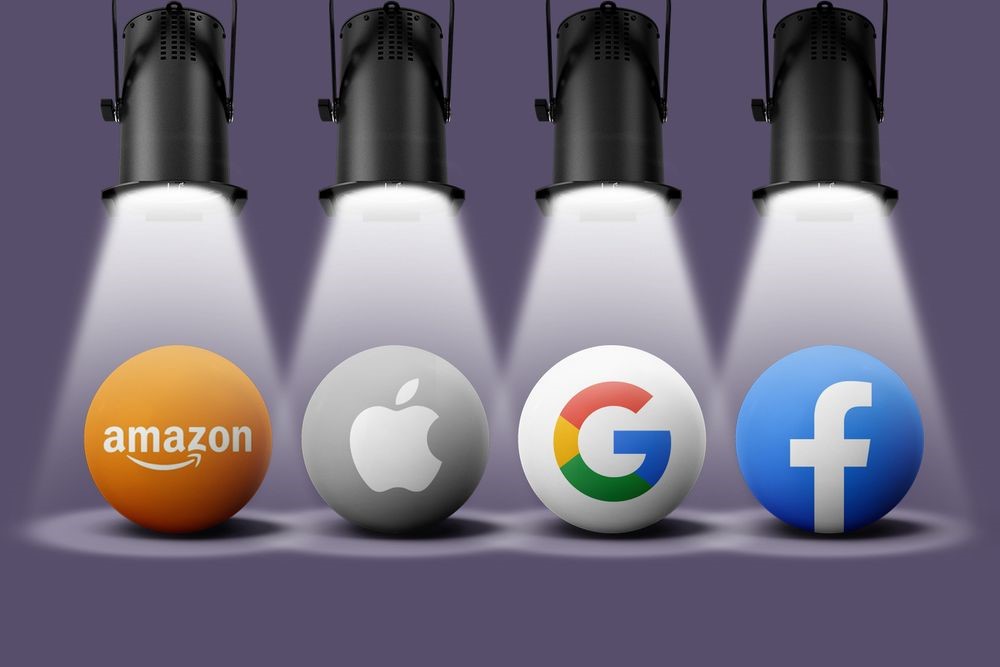
These juggernauts have a combined market capitalization of $6.4 trillion and collectively represent Big Tech’s domination across the world.
Why it matters
This is Congress’s biggest effort yet to make Big Tech ‘Small Tech.’ The draft bills, according to CNN, propose a range of legislative solutions to address how the tech companies built and maintained their market dominance. The bills would also require the ‘Big Four’ to significantly rejigger their business practices, or break up altogether, in an effort to conform to the new antitrust laws.
Last year, House Democrats on the antitrust panel found that the tech industry’s most powerful companies (Amazon, Apple, Facebook, and Google) wield too much monopoly power that makes it difficult for small companies to compete adequately. The Big Fours, however, argue that they compete fairly, and provide products and services that consumers have benefited from.
The aim of these bills is to level the playing field and deal with the challenges of competing in the digital markets.
Also Read: Chinese Ride-hailing Giant, Didi Chuxing, Files for a US IPO
What’s inside those antitrust bills?
The bills—if passed—could alter America’s most valued companies. According to the first bill, Amazon and other big tech companies wouldn’t be allowed to own or operate businesses that would incentivize it to favor its products/services over those of its competitors. In other words, Amazon—for instance—would need to split its business into two. Why? Because Amazon operates a marketplace and also sells its products on the same marketplace.
The second bill would also bar companies like Google from promoting their own products in search results over those of their competitors. What’s more, these companies, under the third bill, would have to tweak their platforms to make it easier to port data from one service to another.
The last two bills focus on mergers. The fourth would make it hard for these tech companies to snatch up small competitors while the fifth would raise filing fees for large mergers. The aim: to raise money for antitrust enforcement agencies.
Looking ahead
It’s not immediately clear when these bills will pass into law—or if they will even make it through. What’s certain, however, is the bills will need to get past the Judiciary Committee before making their way to the full House. And then, they would need to be approved by the Senate and signed by the president before they become law.
If they do, these bills will represent the biggest changes to antitrust law the tech industry has seen in decades.