
As South African financial regulators predict a surge in cryptocurrency activity, the country is officially embracing cryptocurrency trade and investment laws.
This is a shift from the norm of other African countries that have either sought to ban cryptocurrencies or make it difficult for them to operate. For example, Bloomberg reported in February that Nigeria’s central bank ordered commercial banks to close accounts transacting in or operating cryptocurrency exchanges. However, the ban seemed to have spurred the use of crypto instead.

In recent years, the African continent has experienced a surge in cryptocurrency activity with South Africa, Nigeria, and Kenya among the top markets for trade and investment in Bitcoin and other cryptocurrencies.
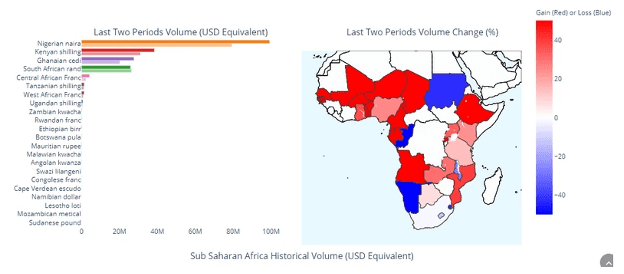
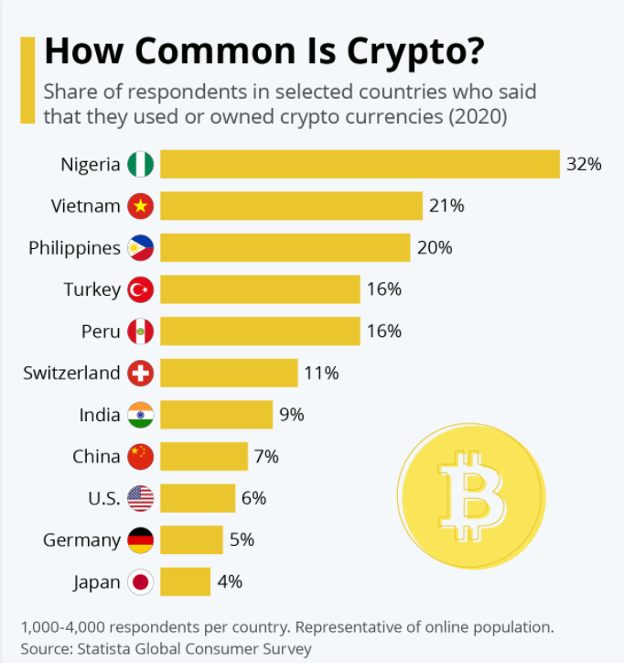
Nigeria has earned itself the title of “Africa’s Bitcoin nation” recording a trading volume of more than $99 million in the first half of 2021. Kenya is a distant second at $34.8 million followed by Ghana and South Africa at $27.4 million and $25.8 million, respectively.
Cryptocurrency regulation in Africa
Africa’s biggest crypto markets–Nigeria, Kenya, Ghana, and South Africa–currently lack regulation. With the constantly changing nature of the cryptocurrency world, the lack of proper regulation of these markets, according to the United Nations report, is one very big risk.
“Regulation is exactly what the industry needs most,” according to the report.
Sensing an impending boom in crypto trade in Africa, South Africa is walking a different path as the country already recognizes cryptocurrencies as an investment and taxable asset.
The crypto boom in South Africa
In January 2021, daily crypto asset trading values in South Africa exceeded $145 million. The country’s new regulations on cryptocurrency are aimed at fostering transparency and minimizing the abuse of cryptos. For one thing, the rapid rise in crypto trade in South Africa has also given rise to fraud cases where ransom is demanded in cryptocurrency.
The new regulations will address customer identification and verification, customer due diligence, keeping records of client and transactional information, and monitoring suspicious and unusual activity. According to the new regulatory framework, the South African Reserve Bank will also monitor cryptocurrency assets and service providers for ‘cross-border financial flows.’
All these aim to guard against money laundering and the financing of terrorism.
In Nigeria, Kenya, and Zimbabwe, financial regulators have already banned banks from processing crypto-related transactions. The result: these countries have seen an increase in the adoption of mobile money and other digital payment solutions.